
About MSA
Youth Programme
Youth Program
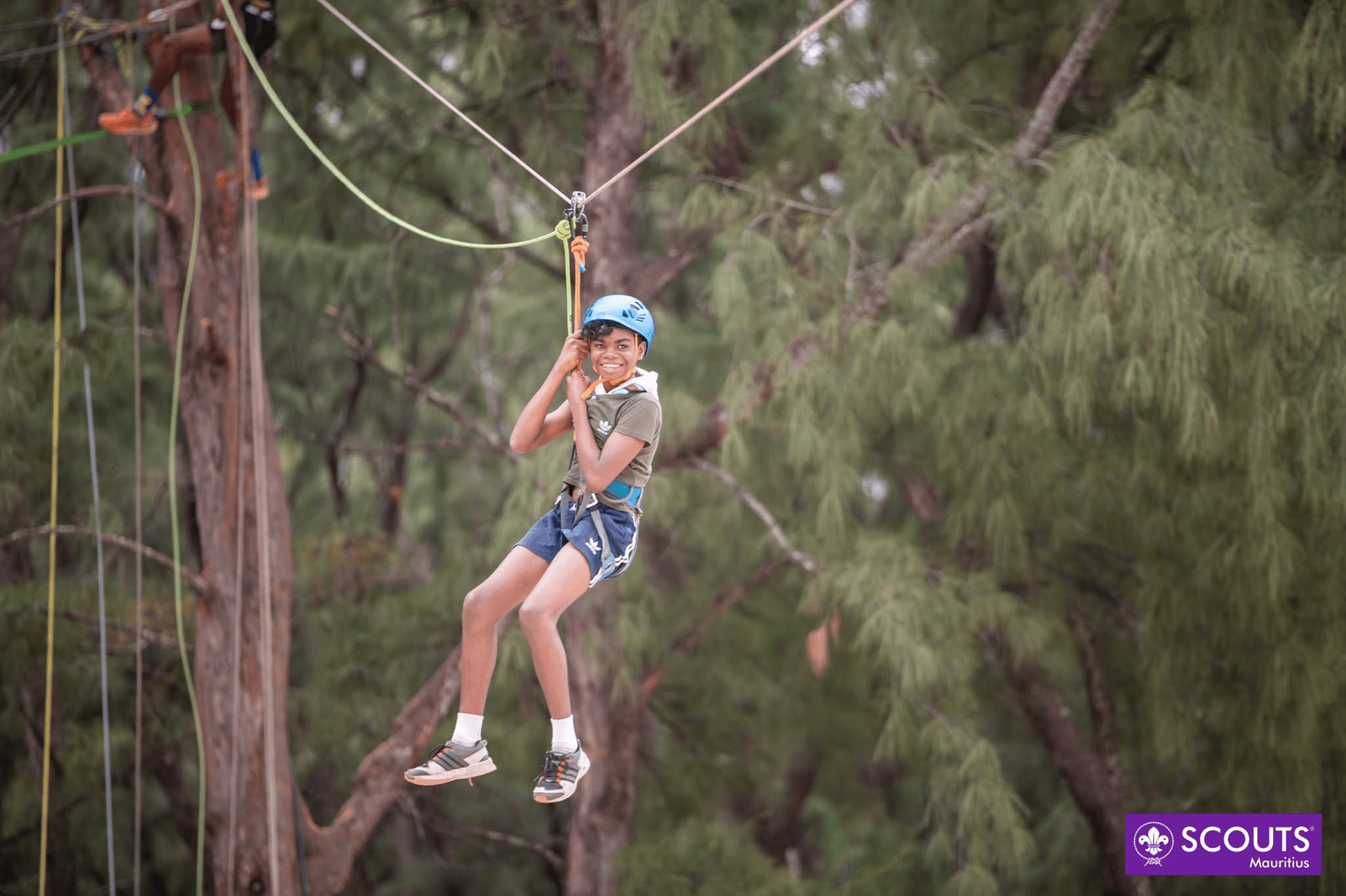
Scouting is a Movement of progressive self-education for young people. According to Scouting’s educational approach, each person is born with a unique potential, which can be developed in a constructive direction. Making this potential a reality involves developing all of one’s capacities – physical, intellectual, emotional, social and spiritual. This is done by providing a supportive and organised learning environment, which stimulates and challenges each young person during his or her formative years.
This supportive learning elements could be found in the Youth Programme. Youth Programme in Scouting not only refers to the activities, but also to how and why they are done. Overall, activities are seen as means rather than goals in themselves, and they create opportunities for each person to develop skills, attitudes and acquire knowledge.
World Scouting
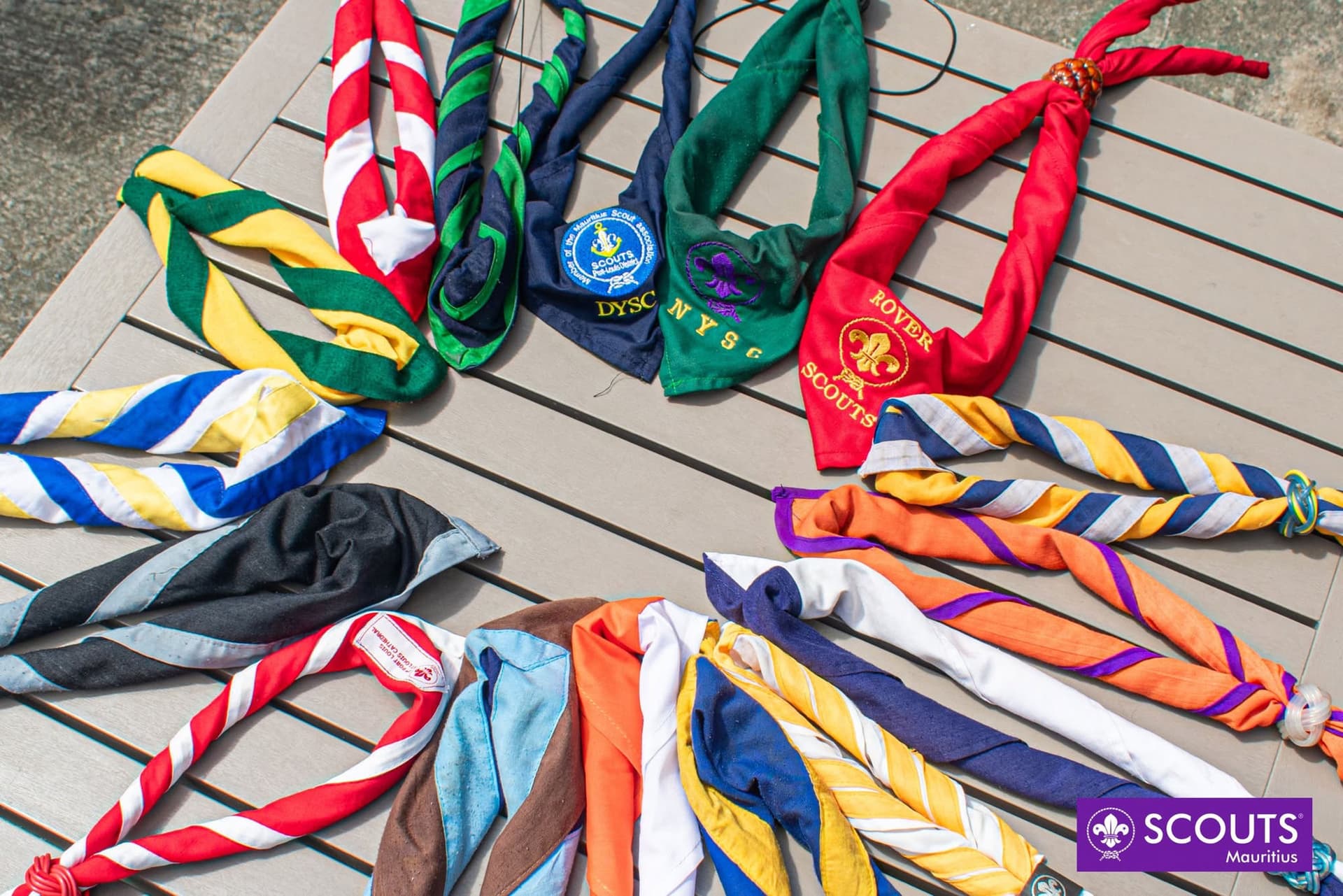
The Scout Movement is a voluntary non-political educational movement for young people open to all without distinction of gender, origin, race or creed. Scouting offers young people the opportunity to develop their full emotional, intellectual, physical, social and spiritual potentials as individuals, as responsible global citizens, and as members of their local, national and international communities.
The organization of the Scout Movement at the world level, “World Scouting”, is governed by the World Organization of the Scout Movement (WOSM).
WOSM is an independent, non-political, non-governmental organisation that is made up of 176 National Scout Organizations (NSOs) around the world. With over 60 million members in some one million local community Scout Groups, WOSM is the largest youth movement in the world.
Some seven million members in WOSM are adult volunteers who support local activities. Through peer-to-peer leadership, supported by adults, each local Scout Group embraces the same set of values illustrated in the Scout Promise and Law. Each of the one million local Scout Groups follows a similar system of non-formal education suited to the unique aspects of their local community.